
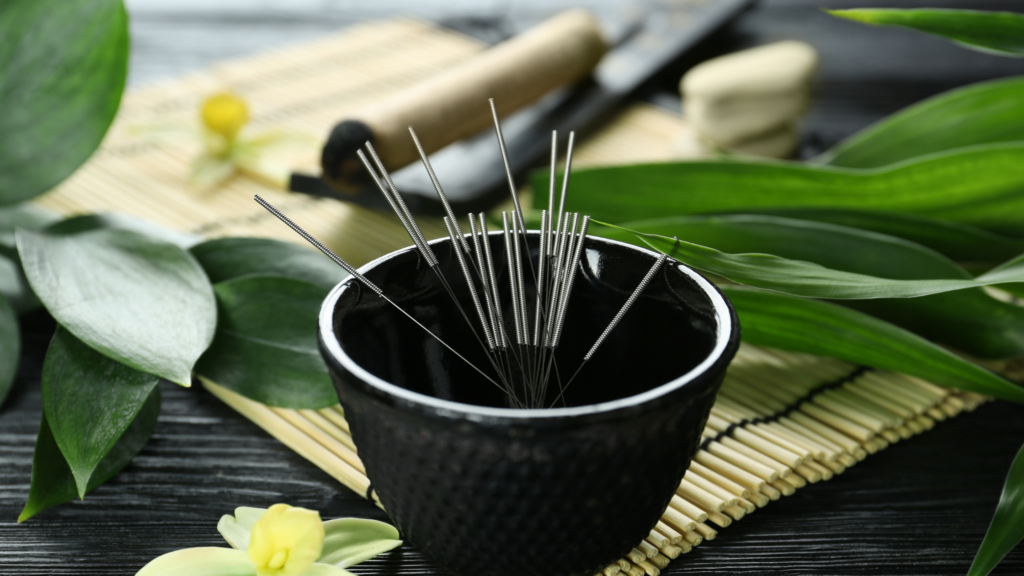
For thousands of years, acupuncture has been used to support healing, reduce pain, calm the nervous system, and restore balance in the body. Traditionally explained through the movement of Qi (energy) along channels known as meridians, modern research is now helping us understand acupuncture through the language of neuroscience, hormones, circulation, and the body’s own healing chemistry.
Today, acupuncture is increasingly studied in hospitals, universities, pain clinics, fertility clinics, and integrative medical settings around the world. What researchers are discovering is that acupuncture is not simply “placebo” or relaxation — it creates measurable physiological changes throughout the nervous, immune, hormonal, and circulatory systems.
Acupuncture and the Nervous System
One of the primary ways acupuncture works is through its interaction with the nervous system.
When very fine acupuncture needles are inserted into specific points on the body, they stimulate sensory receptors in the skin, connective tissue, muscles, and fascia. These signals travel through peripheral nerves to the spinal cord and brain, where a cascade of responses begins.
Research shows acupuncture can influence:
- Pain pathways in the spinal cord and brain
- The autonomic nervous system (fight-or-flight vs rest-and-repair)
- Neurotransmitter production
- Hormonal regulation
- Inflammatory pathways
- Blood flow and tissue healing
In simple terms, acupuncture acts like a communication system that helps the body regulate itself more effectively.
Acupuncture Triggers the Body’s Natural Pain Relief Chemicals
One of the most researched effects of acupuncture is its ability to stimulate the release of the body’s own natural pain-relieving compounds.
Studies have shown acupuncture can increase the production of:
- Endorphins — the body’s natural opioids that reduce pain and create a sense of wellbeing
- Enkephalins — neurotransmitters that help block pain signals
- Dynorphins — involved in pain modulation
- Serotonin — associated with mood, sleep, calmness, and emotional regulation
- Dopamine — linked to motivation, reward, and emotional balance
This helps explain why many people feel:
- Deep relaxation during treatment
- Reduced pain
- Improved sleep
- A calmer emotional state
- Less anxiety and tension
Brain imaging studies using functional MRI have even shown that acupuncture can change activity in areas of the brain associated with pain perception, stress, emotions, and sensory processing.
Acupuncture Helps Shift the Body Out of “Fight or Flight”
Modern life often keeps people stuck in a chronic stress response.
When the sympathetic nervous system (“fight or flight”) is overactive, the body produces higher levels of stress hormones such as cortisol and adrenaline. Over time this can contribute to:
- Anxiety
- Insomnia
- Digestive issues
- Hormonal imbalance
- Chronic inflammation
- Fatigue
- Muscle tension
- Burnout
Acupuncture has been shown to help activate the parasympathetic nervous system, often called the “rest and repair” state.
This may:
- Slow the heart rate
- Relax muscles
- Improve digestion
- Support immune function
- Enhance sleep quality
- Lower stress hormone levels
Many patients describe this as feeling like their nervous system has “reset.”
Acupuncture and Inflammation
Researchers are also exploring acupuncture’s effects on the immune and inflammatory systems.
Inflammation plays a role in many modern conditions including:
- Chronic pain
- Arthritis
- Migraines
- Autoimmune conditions
- Digestive disorders
- Long-term stress conditions
Studies suggest acupuncture may help regulate inflammatory chemicals called cytokines and influence immune signaling pathways.
Rather than simply “blocking symptoms,” acupuncture appears to help the body regulate inflammatory responses more appropriately.
Blood Flow, Healing, and Tissue Repair
Acupuncture has also been shown to influence circulation.
Needling certain points may:
- Increase local blood flow
- Improve oxygen delivery to tissues
- Reduce muscle tightness
- Support healing responses
- Reduce stagnation and swelling
This is one reason acupuncture is commonly used in sports medicine and injury recovery.
Some studies also suggest acupuncture may stimulate connective tissue remodeling and influence fascia — the body-wide network of connective tissue now recognized as an important communication system within the body.
Hormones and Acupuncture
Acupuncture may also influence the endocrine system — the network of glands and hormones that regulate many functions in the body.
Research has explored acupuncture’s role in supporting:
- Menstrual regulation
- Fertility and IVF support
- Menopause symptoms
- Stress hormone regulation
- Sleep hormones such as melatonin
Part of this may occur through acupuncture’s effects on the hypothalamus and pituitary gland — key control centers in the brain involved in hormonal signaling.
Why Acupuncture Often Treats the Whole Person
One of the most interesting findings in modern acupuncture research is that acupuncture rarely affects only one isolated symptom.
Because the nervous, hormonal, immune, and circulatory systems are all interconnected, many people notice multiple changes occurring together.
For example, someone receiving acupuncture for pain may also experience:
- Better sleep
- Improved digestion
- Reduced anxiety
- Increased energy
- Emotional calmness
From a modern scientific perspective, this makes sense. The body functions as an integrated system, not as separate disconnected parts.
Is Acupuncture Evidence-Based?
Modern acupuncture research continues to grow rapidly.
There is now substantial research supporting acupuncture for:
- Chronic pain
- Migraines and headaches
- Osteoarthritis
- Nausea and chemotherapy support
- Musculoskeletal pain
- Stress and anxiety
- Sleep disturbances
Major medical organizations including the World Health Organization (WHO) and many integrative medicine departments internationally recognize acupuncture as a valuable complementary therapy for a range of conditions.
At the same time, research is ongoing, and scientists continue exploring exactly how different acupuncture points and techniques influence the body.
Bridging Ancient Wisdom and Modern Science
Traditional Chinese Medicine described acupuncture in terms of restoring the smooth flow of Qi and harmonizing the body’s internal systems.
Modern science describes similar processes through:
- Nervous system regulation
- Neurotransmitters
- Hormonal signaling
- Fascia communication
- Blood flow
- Immune modulation
Although the language is different, many researchers and practitioners believe these perspectives may be describing overlapping realities from different frameworks.
Final Thoughts
Acupuncture is no longer viewed simply as an ancient mystery. Modern research increasingly shows that acupuncture creates measurable biological effects throughout the body.
By influencing the nervous system, neurotransmitters, hormones, circulation, and inflammation, acupuncture may help support the body’s own capacity to regulate, heal, and restore balance.
For many people, this is why acupuncture can feel both deeply calming and profoundly therapeutic at the same time.
This article is intended for educational purposes only and does not replace medical advice, diagnosis, or treatment. Always seek guidance from a qualified healthcare practitioner regarding your health concerns.